
Plus the surprisingly simple change that helped one client’s heartburn settle
Why Your Heartburn Might Be From Too Little Stomach Acid
When most people get heartburn, they assume the problem is too much stomach acid. That’s what the commercials say, it’s what the antacid aisle is built around, and it’s usually the first thing anyone suggests. So as natural first steps, you cut back on spicy foods and keep Tums on hand. Some of it helps for a while, but the burning, the bloating, and that heavy, too-full (aka food baby) feeling keep coming back.
What most people have never heard is that heartburn and reflux can also come from too little stomach acid.
Why low stomach acid can still cause heartburn
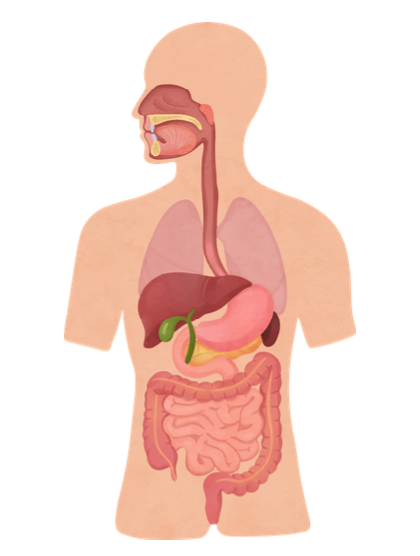
I know that sounds backwards, so let me explain. Your stomach is meant to be very acidic and that acid does more than break down food. It’s also part of the signal that tells the valve at the top of your stomach to close tightly and the valve at the bottom to open and move food along.
When there isn’t enough acid, food sits in your stomach longer than it should, building up gas and pressure that pushes upward, and some of what’s in there comes up with it. It doesn’t take much acid to irritate your esophagus, because that tissue was never designed to handle it.
Low stomach acid often comes with a few other clues:
Feeling overly full after a normal-sized meal
Low appetite, especially in the morning
Bloating or burping after eating
Sluggish digestion or constipation
Brittle hair and nails
None of these on their own mean you have low stomach acid, but if several sound familiar, they’re worth paying attention to.
Why protein might not “agree” with you
Protein is one of the main things your stomach makes acid for. If you’ve been eating on the lighter side for a long time (salads, toast, smoothies, grab-and-go snacks), your body adapts by making less. Which is actually pretty smart and yet another reason why I'm fascinated by how our bodies were designed. Why spend resources making something you don’t seem to need?
The catch is that when you finally sit down to a steak, your stomach isn’t ready. The meal sits heavy and you walk away thinking protein just doesn’t agree with you. So you drift back toward the foods that feel easier, which tend to be refined carbs, and the cycle quietly continues. If that’s been your experience, it may not be that your body can’t handle protein, it may just be out of practice.
How your phone can affect your digestion
Stress plays a part too. Your body makes acid best in a parasympathetic state (or “rest and digest” mode), when it feels calm and unhurried. When you’re rushing or distracted, it shifts into a sympathetic state (or “fight or flight” mode) and puts its resources elsewhere.
In other words, eating while driving, working, or scrolling keeps your nervous system in a state that works against digestion.
One client I worked with was getting heartburn once or twice a day, even though she was eating genuinely well. When I had her keep track of when it happened, the pattern that stood out had nothing to do with what was on her plate. I noticed that breakfast and lunch were the meals she most often got heartburn...and those were the meals she ate with her phone in hand.
So I asked her to put the phone away, take a few slow breaths before her first bite, and actually sit with her food. That was it, no other changes. Within a couple of weeks the heartburn had largely settled down and she hadn’t changed a single thing she was eating! Another few weeks went by and she wasn't experiencing heartburn anymore. Those few calm minutes gave her body the chance to make what it needed to digest well.
Most people usually need more than one shift, but I like to share that story because it shows how much can change when you look upstream.
Simple ways to support stomach acid naturally
Sit, breathe, and put the phone away. Take 3 to 5 slow breaths before your first bite and chew a little longer than feels normal. Aim for 20 to 30 chews per bite, which I’ll admit feels SO unnatural at first when we’re used to inhaling our food.
Take small sips of water. A big glass of water with your meal can dilute the acid you’re making, so small sips are better.
Add something bitter. Arugula, dandelion greens, or fresh ginger can help prompt your stomach’s digestive juices. Bitter flavors work best when you actually taste them.
Ease protein back in. If it’s felt heavy, start with a smaller portion at each meal and eat it slowly (back to those 20 to 30 chews).
What about apple cider vinegar or lemon?
You may have seen apple cider vinegar or lemon water recommended for low stomach acid. They can definitely help some people. But keep in mind that low and high acid can feel very similar, and if heartburn has already irritated your esophagus, more acid on the way down can make it worse. So if you’re unsure, sticking to the steps above help your body make its own acid, right where it belongs.
If you take an acid-blocking medication, please don’t stop or change it without talking to your doctor first.
When to get support
Your symptoms are usually pointing at something upstream that no one has looked at yet. That’s what I do with clients: look at the whole picture, find the pattern, and build a plan that fits your body.
If this sounds like what you’ve been dealing with, I’d love to talk. You can book a free discovery call for a relaxed 20-minute conversation about your health concerns, what you’ve tried, and what you’re hoping for. There’s nothing to prepare and nothing to decide on the call. It’s simply a chance to see what working together could look like.